Blog
What Happens If a Boiler Service Finds a Fault?
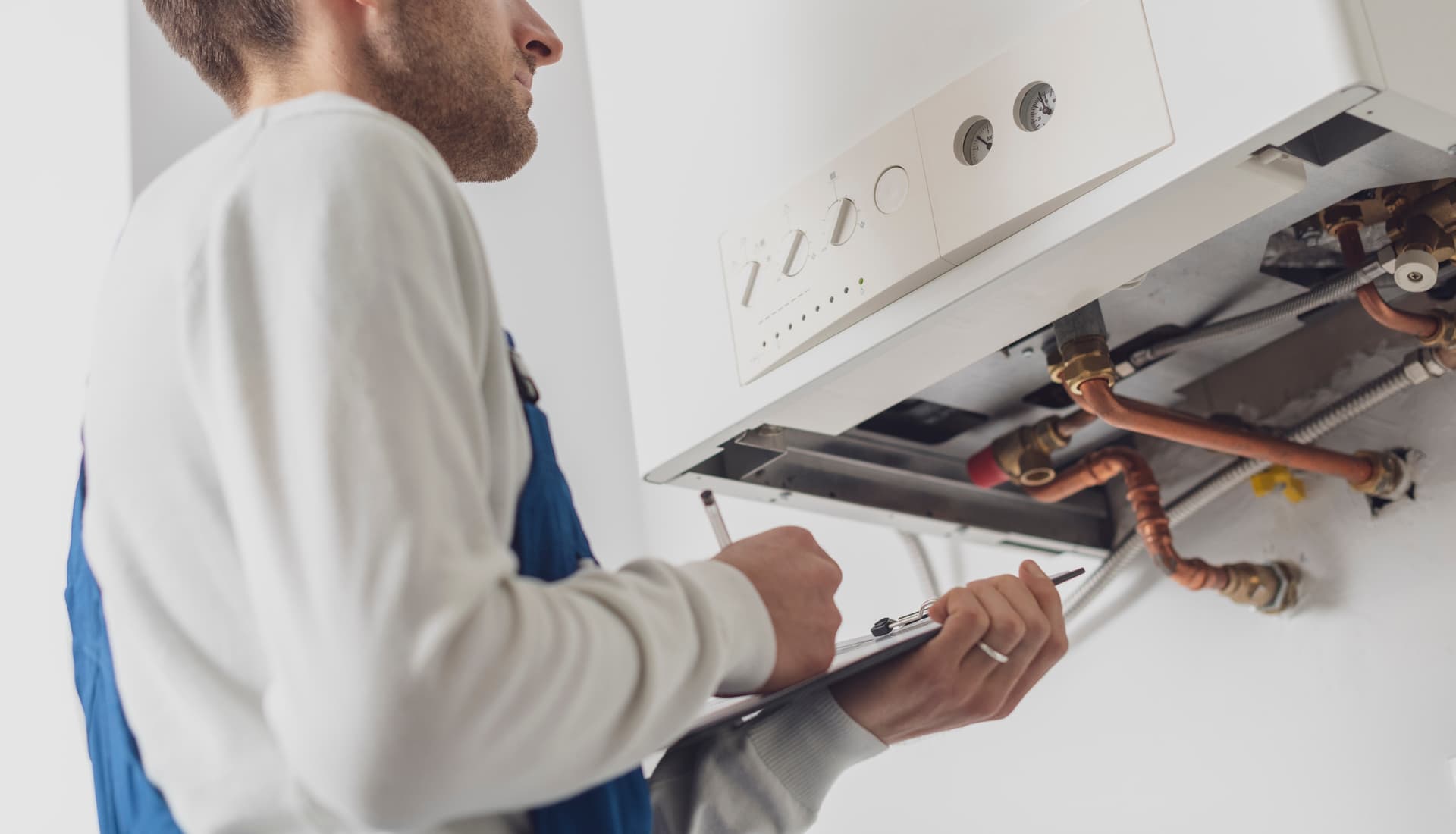
A boiler service is more than a routine check
A service should give you a clearer picture of how your boiler is operating, not simply a vague statement that it is fine. If we find a fault during a boiler service in Taunton, we work through it in a logical order: identify what is wrong, assess whether it creates an immediate safety concern, explain the likely cause and agree the next practical step with you.
That process matters because a fault can range from a worn component affecting reliability to a condition that means the appliance should not continue operating. Treating every issue in the same way would be poor engineering and poor advice.
For an overview of what our Boiler Servicing service includes, you can visit the main service page. Here, we will focus on what happens when the inspection uncovers a problem.
First, we establish what the fault actually is
A boiler may show a fault code, make an unusual noise or lose pressure, but those symptoms do not always identify the underlying problem. Several components can produce similar signs, and replacing the first part that appears suspicious can leave the real cause unresolved.
During a service, we consider the boiler’s condition alongside its operation. That can include looking at the appliance, its visible connections, the condensate arrangement, pressure behaviour, controls and other relevant parts of the heating system. On a gas appliance, safety and checks on how the gas is burning are particularly important because a boiler can continue running while still requiring attention.
We do not regard a displayed fault code as a diagnosis by itself. It is a starting point for investigation. The useful question is why the fault has occurred and whether another issue has contributed to it.
Next, we separate safety concerns from performance issues
Not every fault carries the same level of risk or urgency. A boiler may be working less efficiently because a component is deteriorating, or it may be unreliable because pressure, circulation or control operation is not as it should be. Those issues still deserve attention, since continued operation can lead to more disruption or further component failure.
A potential gas or combustion problem must be treated differently. If an engineer identifies a condition that makes continued use unsafe, the priority is to explain the concern clearly and advise you not to use the appliance until the necessary action has been taken. Gas work should be carried out by a Gas Safe Registered engineer. Do not remove the boiler casing, attempt to adjust gas settings or try to prove the fault yourself.
This distinction is one reason a proper service should not be reduced to checking whether the boiler fires. The appliance needs to be assessed in the way its safety and operation require.
We explain the cause, not just the part
When we discuss a fault, we aim to explain what has led to it and what could happen if it is left unresolved. For example, a worn seal, blocked pipe that carries away condensation, faulty control or pressure problem can affect the boiler in different ways. The right repair depends on the component, the appliance model, access and the condition of the surrounding system.
Clear advice should also distinguish between a confirmed finding and a possibility that needs further testing. If the cause cannot be established during the service, we will explain what remains to be checked rather than presenting a guess as fact.
That gives you a sound basis for deciding whether to proceed with a repair, arrange further investigation or discuss the wider condition of the heating system.
What happens after the fault is identified?
Where the issue is suitable for repair during the appointment, the engineer can explain the work required before proceeding. The repair may involve replacing a failed or worn component, correcting a fault in the system or addressing the cause of poor operation. The aim is to resolve the problem properly, rather than reset the boiler and leave the underlying issue in place.
Some faults require additional parts, specialist investigation or more time than a standard service allows. In that situation, the appropriate next step is a follow-up visit. You should receive a clear record of the finding and an explanation of what the further work is intended to achieve.
The condition of the appliance also affects the advice. A repair may be sensible where the fault is defined and the boiler remains in suitable condition. If there are several underlying issues, repeated failures or wider concerns, those factors need to be discussed openly. A service should give you information, not pressure you into an unexplained decision.
What you should do if your boiler is showing symptoms
Before the appointment, make a note of error codes, unusual noises, pressure changes or occasions when the heating or hot water has stopped working. This information can help connect an intermittent problem with what the engineer finds during the inspection.
Do not attempt to open the appliance or alter gas components. If you smell gas, follow the appropriate emergency guidance and contact the relevant emergency service. If the issue is a boiler fault without an immediate gas concern, switch off the appliance if advised and wait for qualified assistance rather than repeatedly resetting it.
At Nick Keeble and Son, we carry out boiler servicing for homes in Taunton, Milverton, Wellington and Wiveliscombe. If a fault is found, our approach is to investigate the cause, explain the implications and set out the next step clearly, whether that means a suitable repair or further work to diagnose the problem properly. You can contact us to arrange a service or discuss a boiler that is already showing signs of trouble.
Other Articles