Blog
Why Are Some Radiators Not Getting Hot? Checks You Can Make
Start by finding out how widespread the problem is
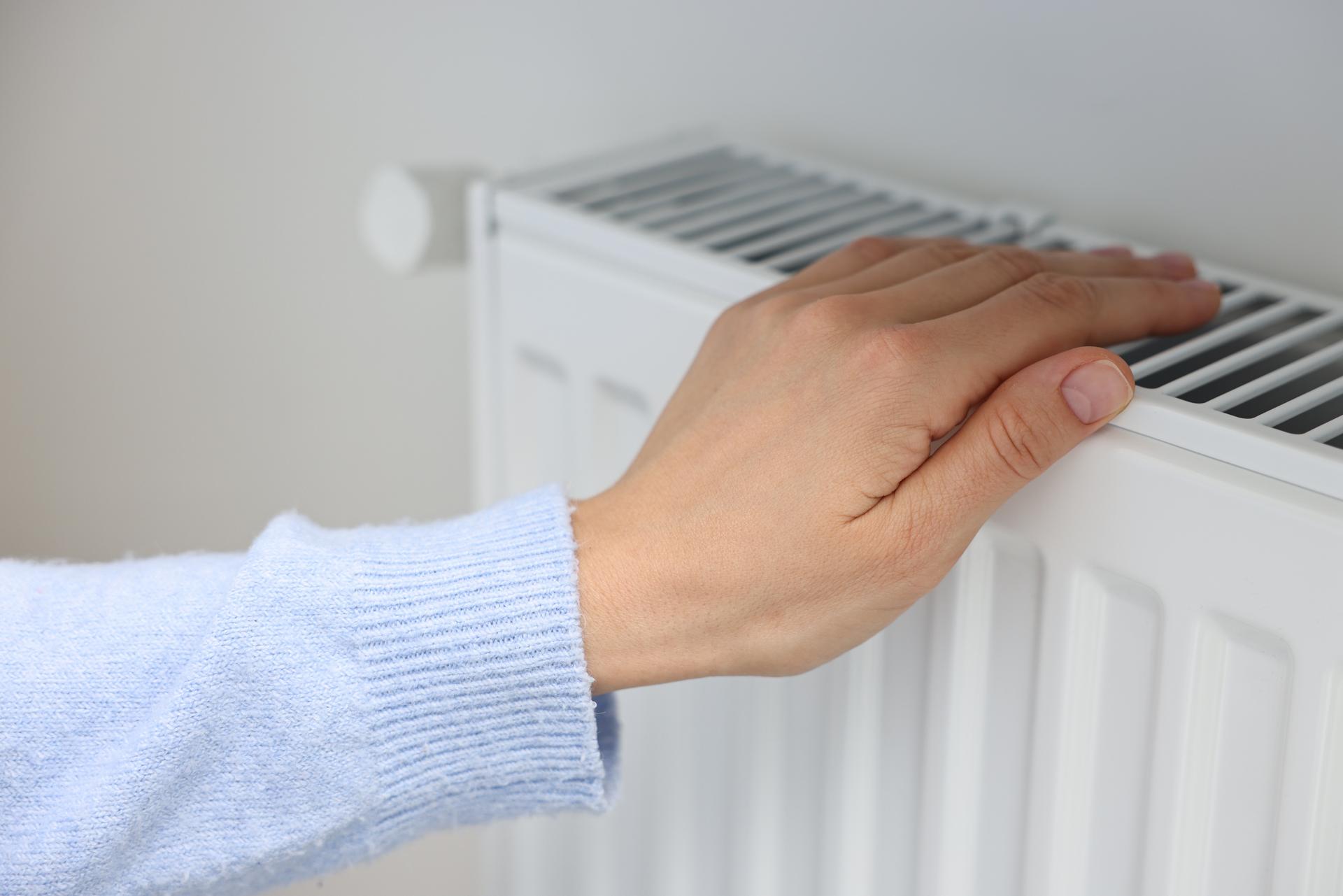
Before adjusting anything, compare the cold radiator with the others. Is it the only one affected, or are several radiators slow to warm? Does it stay completely cold, or is one part warm while another stays cool? These clues help separate a local issue from a problem with circulation or heating controls.
If one radiator is cold while the rest heat normally, check that its valves are open. A thermostatic radiator valve, often called a TRV, may have a numbered dial. Turn it up and allow time for the radiator to respond. If there is a separate valve at the other end, check that it has not been closed. Do not force a stiff valve or use tools to turn it.
If several radiators are affected, look at the heating controls. Check that the heating is set to come on and that the room thermostat is calling for heat. If the controls appear correct but the system still does not respond, the issue may be beyond an individual radiator.
Read the temperature pattern, but do not treat it as a diagnosis
A radiator that is warm below and cool at the top may have air trapped inside. A radiator that is hot at the top but noticeably cooler towards the bottom can indicate poor water flow or a build-up of debris. Neither pattern proves the cause on its own. Valve problems, circulation faults and system settings can create overlapping symptoms.
The pattern across the home matters too. If radiators close to the boiler warm up but more distant ones remain cool, water may not be distributing evenly. If only one room is affected, its radiator valve or local pipework may be more relevant. A heating engineer can check how the system behaves as a whole rather than replacing a part based on one symptom.
Bleed a radiator only if you can do it safely
If the radiator is cool at the top and you are comfortable bleeding it, switch the heating off and let the radiator cool first. Use a suitable radiator key, protect the area with a cloth and open the radiator bleed valve slowly. Close it as soon as air stops escaping and water begins to come through. Do not remove the bleed screw.
Bleeding can lower pressure in some heating systems that rely on boiler pressure. Check the boiler instructions to see how pressure should be checked and whether any action is needed afterwards. If the pressure is outside the stated range, you are unsure how to restore it, or it keeps falling, stop and arrange professional advice. Do not remove the boiler casing or work on gas components.
If there is no trapped air, or bleeding makes no difference, repeating the process is unlikely to solve the underlying problem. A radiator that repeatedly needs bleeding also deserves investigation, because the cause may be elsewhere in the system.
Know when the checks have reached their limit
Avoid dismantling valves, opening pipework or making changes to valves that control how water is shared between radiators. Those adjustments affect how water flows through the system, and altering one without checking the rest can leave other radiators colder or make the original problem harder to identify.
Arrange an assessment if several radiators remain cold, the problem returns after bleeding, a valve is stuck, or the heating controls seem to work but the system does not respond. Make a note of which radiators are affected, where each one is warm or cool, and what you have already checked. That information gives the engineer a useful starting point.
At Nick Keeble and Son, we assess central heating problems in Taunton and nearby areas, looking at the symptoms across the system before advising on a repair. Read more about our Central Heating service, or get in touch if your checks have not identified why the radiators are staying cold.
Other Articles