Blog
Can a New Boiler Work with Your Existing Heating System and Controls?
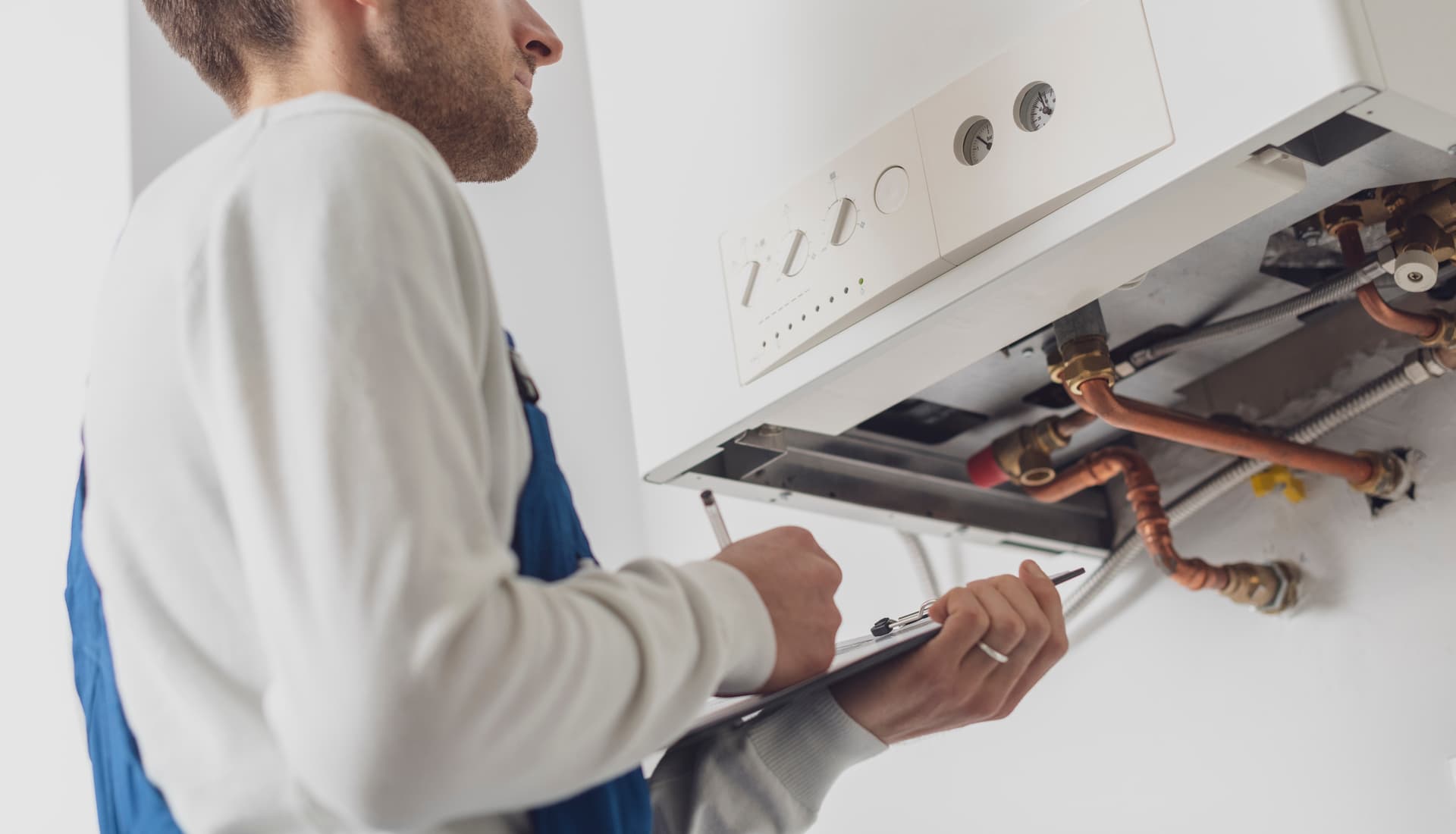
A boiler replacement does not automatically call for new radiators, pipework and controls. Whether existing parts can stay depends on how they work together, the condition they are in and the demands of your home.
The useful question is not simply whether a component is old. It is whether it is compatible with the proposed boiler and able to do its job properly. Here at Nick Keeble and Son, we install boilers across Taunton and nearby areas, and those differences are worth understanding before you settle on a system.
Start with the type of heating system
A home with a combination boiler usually heats water directly when you open a hot tap. A system boiler works with a hot water cylinder, while a regular boiler arrangement may also use storage tanks. These setups are not interchangeable just because the existing boiler has reached the end of its life.
The property’s hot water needs matter too. A combi boiler may suit a household that does not need stored hot water, but several bathrooms or high simultaneous demand can make the existing cylinder arrangement relevant. Keeping a cylinder may be the more practical direction for some households, while another home may be suited to a different layout. The number of occupants alone does not settle it: bathrooms, daily routines and available space all affect the choice.
Before considering controls or radiators, establish what system is already there and what the household needs from it. Changing the boiler type can mean changes to pipework, hot water storage or the way heating is controlled, not just a different appliance in the same place.
Pipework and radiators: condition matters more than age
Existing radiators can often remain part of a new installation if they are suitable for the system and in serviceable condition. Their size and output matter: a radiator that struggles to heat a room may not deliver the comfort you expect, even with a new boiler. Room layout, insulation and heat loss also influence how much warmth each space needs.
Pipework is another deciding factor. A system may have been altered over time, with extensions or replacement radiators added to the original layout. That can leave different parts of the home working unevenly. Restrictions, leaks or poor circulation can also affect performance. A new boiler does not correct those underlying issues by itself, so retaining everything without considering how the system operates can undermine the result.
This is why “like for like” is not always a simple swap. A Taunton terrace, a cottage near Milverton and a house with later extensions can have quite different layouts and heating demands. The relevant details are the actual pipe routes, radiator sizes, hot water arrangement and condition of the system, rather than the property’s age or style on its own.
Controls need to match the heating arrangement
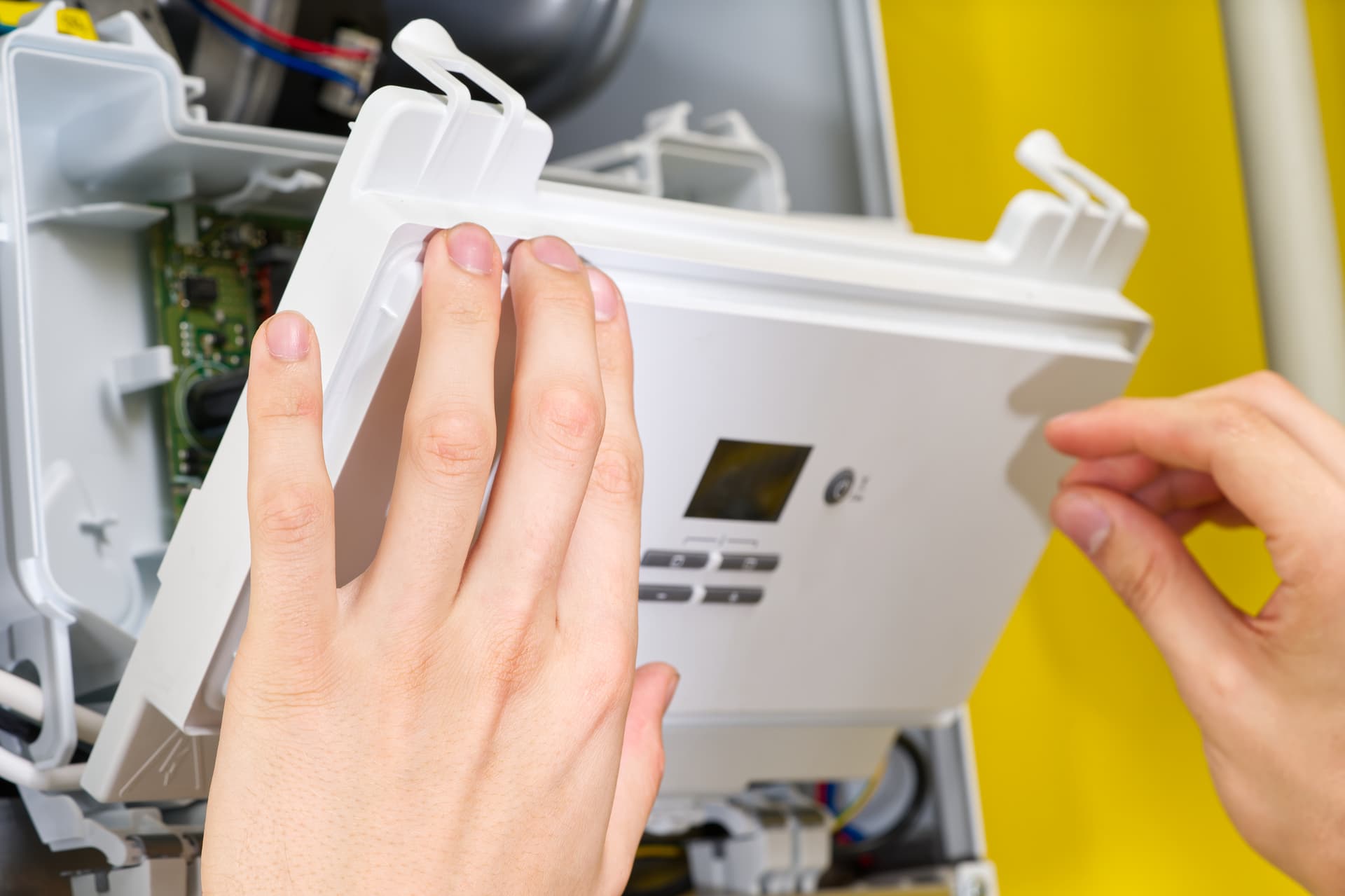
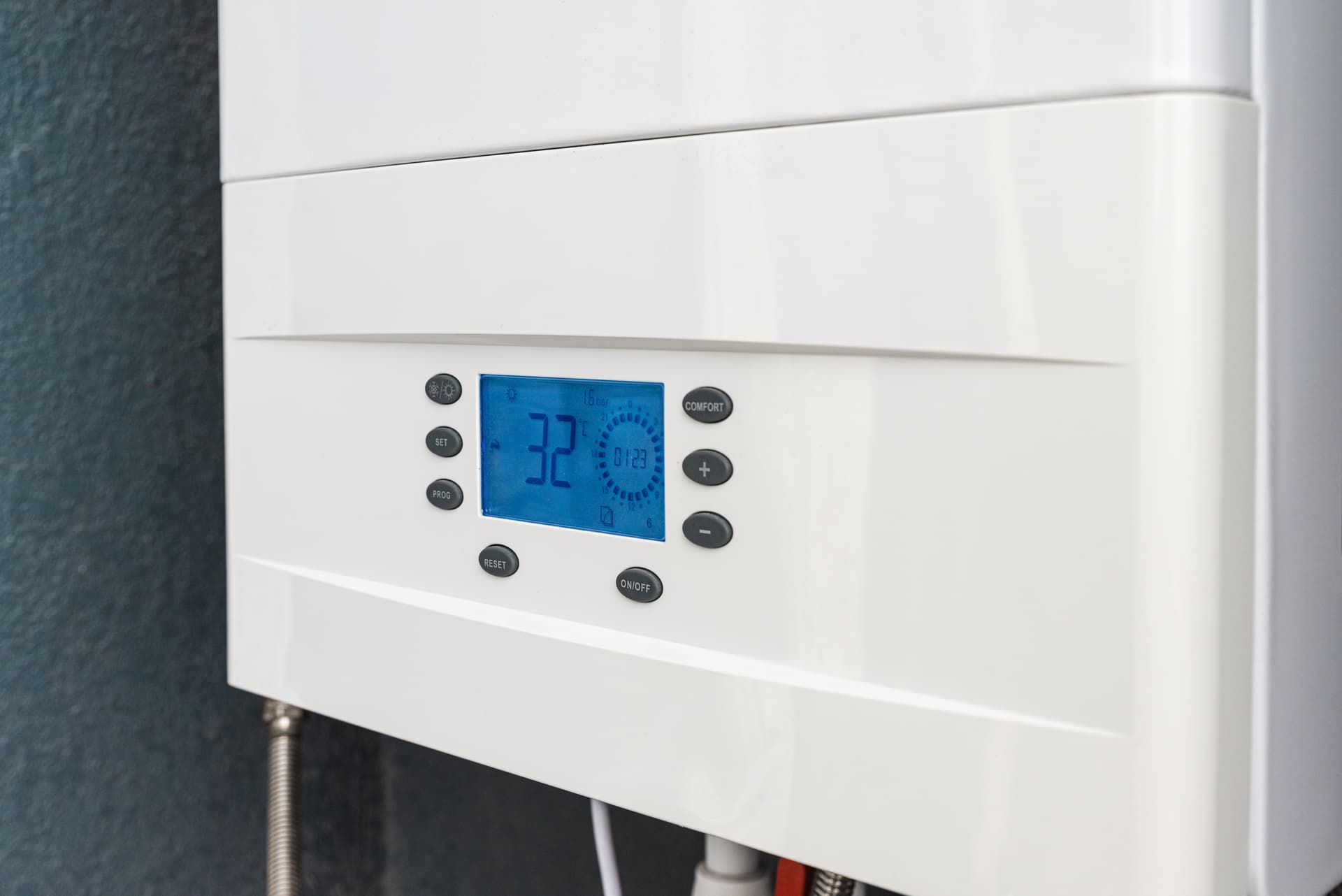
A thermostat, programmer and boiler need to communicate in a way that suits the installed equipment. Some existing controls may be reusable; others may not offer the functions needed for the new setup. Compatibility can depend on the boiler model, control wiring and the way heating zones are arranged.
A basic setup that operates the whole home as one zone is different from a property with separate heating zones or underfloor heating. Underfloor heating generally needs its own temperature management because it operates differently from standard radiators. If a home combines both, the controls need to account for those different demands. Keeping an existing control simply because it still switches on may leave parts of the system difficult to manage or poorly matched to the new boiler.
If you already use a smart thermostat or other connected controls, note the model and how it is wired before discussing options. Do not alter electrical connections yourself. The important point is to establish whether the control can work with the chosen boiler and system, not to assume that a familiar brand or display guarantees compatibility.
What to have ready when discussing your options
You can make the conversation more useful by noting whether you have a hot water cylinder, how many bathrooms are regularly used, which rooms are slow to heat and whether the system has separate zones. Mention any recent changes, such as an extension or radiator replacement, and identify the controls you currently use.
These details help frame the choice, but they cannot confirm compatibility on their own. The boiler, controls and existing heating system need to be considered as a whole. Retaining components can be sensible where they suit the new setup; replacing them may be appropriate where they are unsuitable, in poor condition or limiting how the system performs. The decision depends on the property, not a blanket rule that every installation should keep everything or replace everything.
For an overview of our Boiler Installation service, see the service page. If you are planning a replacement in Taunton, Wellington, Milverton or Wiveliscombe, contact Nick Keeble and Son to discuss how your existing heating system and controls may affect the options.
Other Articles